PROTEX ITALIA
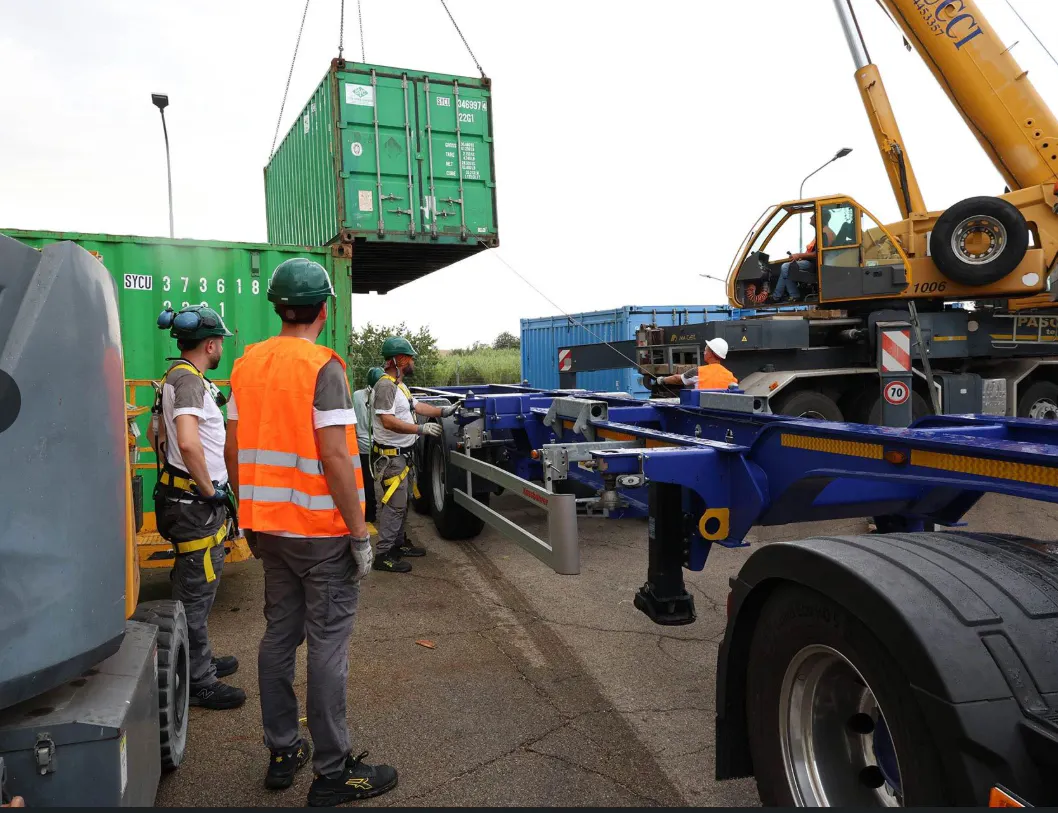
International Radioactive Waste Treatment Project Gets Underway
International Radioactive Waste Treatment Project Gets Underway
What happened on 10 July 1976
The accident originated at the ICMESA chemical plant in Meda. An uncontrolled rise in temperature inside a reactor caused the release into the atmosphere of a cloud containing TCDD, a highly toxic form of dioxin.
Carried by the wind, the contamination reached Seveso and other municipalities in the Brianza area. The consequences affected people, animals, vegetation and the surrounding land, making evacuations, health monitoring and a complex environmental remediation programme necessary.
The Seveso disaster is still considered one of the most significant industrial and environmental accidents in European history.
From the disaster to the Seveso legislation
The accident clearly demonstrated the need for common rules to prevent and manage industrial incidents that could have consequences beyond the boundaries of a plant.
In 1982, the first European “Seveso Directive” was adopted. The legislation was subsequently updated over time, leading to the current Seveso III Directive, which was implemented in Italy through Legislative Decree No. 105 of 26 June 2015.
Italian Legislative Decree No. 105/2015 governs the prevention of major accidents involving hazardous substances. Its application depends on the classification and quantities of the substances present; therefore, there is no single threshold that applies to all chemical products.
Chemical risk is not limited to large industrial plants
A company may fall outside the scope of Legislative Decree No. 105/2015 and still need to carefully assess the risks associated with the substances it uses or stores.
Even limited quantities can represent a hazard. The level of risk depends on the properties of the substance, its concentration, how it is used, storage conditions, the duration of exposure and the presence of potential ignition sources.
Prevention, therefore, does not begin only when a regulatory threshold is exceeded. It begins with a clear understanding of the products present and a careful analysis of actual working conditions.
Chemical risk, fire and explosion
The same substance can generate different and simultaneous risks. A flammable product, for example, must be assessed both in relation to worker exposure and to the risk of fire.
Under certain conditions, vapours, gases, mists or combustible dusts may also create potentially explosive atmospheres. For this reason, the assessment must consider the entire lifecycle of use: receipt, storage, handling, use, maintenance and emergency management.
Only an integrated approach makes it possible to correctly identify the interactions between health, safety, fire, explosion and environmental impact.
Support from Lavoro e Ambiente | Protex Group
Lavoro e Ambiente | Protex Group supports companies in assessing chemical risk and related hazards by analysing the substances present, methods of use and storage, worker exposure and potential accident scenarios.
The objective is to help organisations identify appropriate technical, organisational and procedural measures, protecting people, facilities and the environment.
International Radioactive Waste Treatment Project Gets Underway
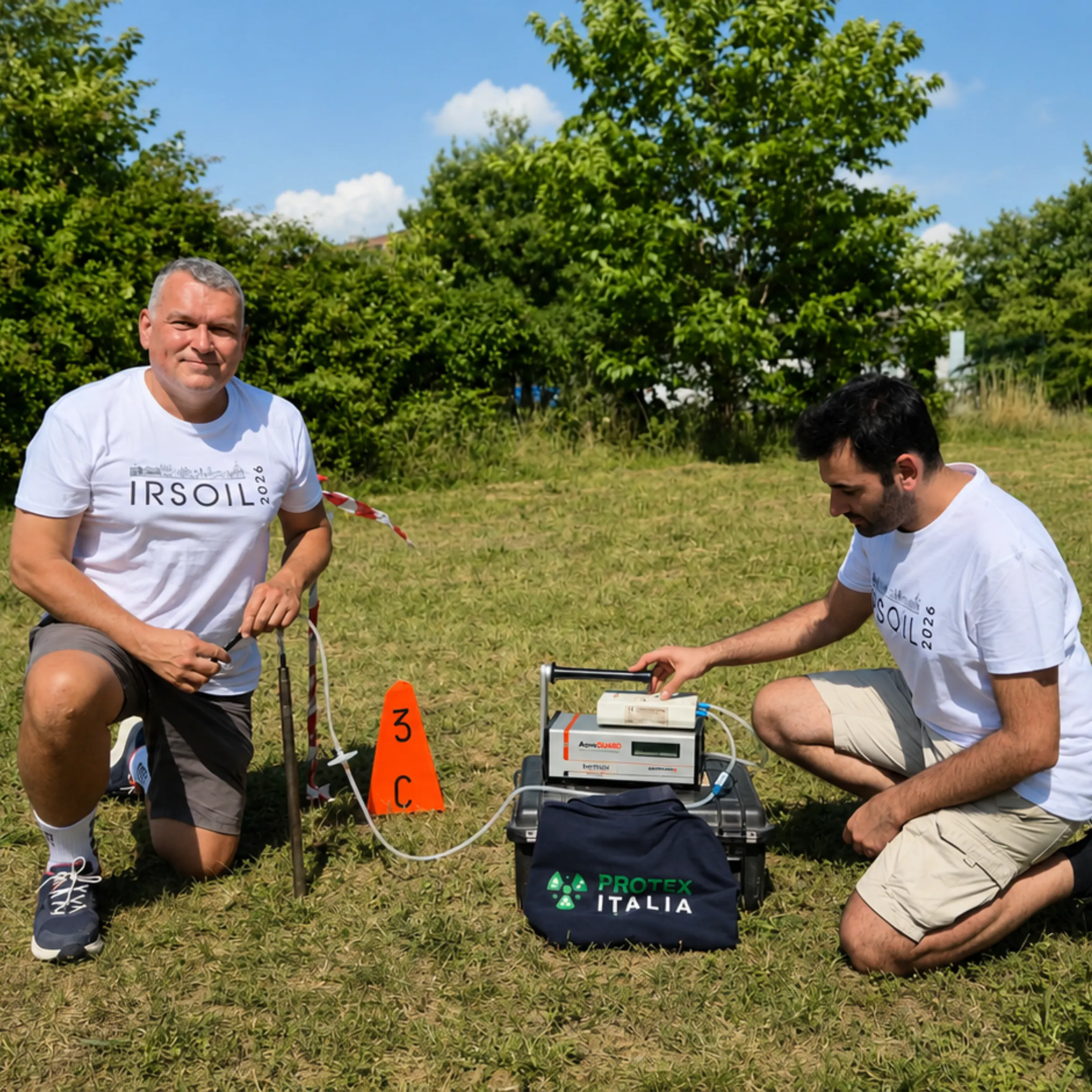
IRSOIL 2026: Protex Italia and Lavoro e Ambiente take part again this year

Protex Italia at Nuclear Power Expo 2026: expertise, safety, and specialist services for the Italian nuclear sector.